Comprehensive Guide to Waste Removal in Poplar

Understanding Waste Removal
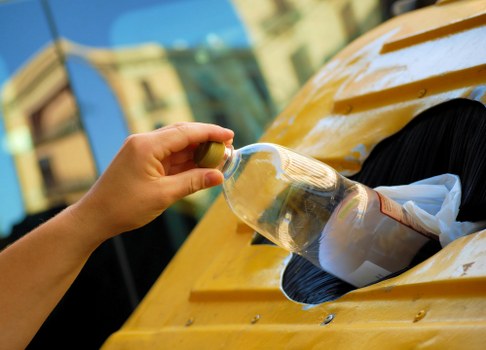
A close-up view of a person's hand disposing of a transparent plastic bottle into a yellow refuse collection container. The bottle appears to contain a clear liquid and is partially squeezed, with a white label and a yellow cap visible. The container is outdoors on a vehicle or waste collection point, with a part of a black circular opening in the foreground, surrounded by a wooden or plastic panel painted in bright yellow. In the background, blurred urban elements, such as buildings with beige and green facades, suggest a residential or commercial area in Poplar, London. The scene reflects typical waste disposal activity aligned with rubbish removal services provided by Commercial Waste Poplar, emphasizing proper plastic recycling in a city environment.

Waste removal is a crucial service for maintaining cleanliness and environmental sustainability in Poplar. Whether it's residential, commercial, or industrial waste, proper disposal ensures the health and safety of the community.

In Poplar, waste management involves several steps, including collection, transportation, processing, and disposal. Each step requires efficient coordination to minimize environmental impact and promote recycling and reuse.

Effective waste removal not only prevents pollution but also contributes to resource conservation. By managing waste responsibly, Poplar can reduce landfill usage and promote a greener environment for future generations.

Types of Waste in Poplar
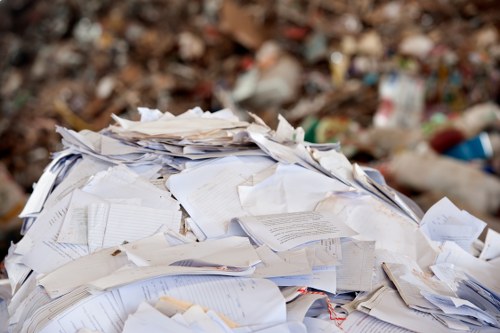
A large pile of disorganized paper waste, consisting of crumpled and flattened sheets, documents, and notes, situated outdoors on a dirt or gravel surface with a background of more scattered waste and natural debris. The paper materials vary in thickness and texture, with some pages appearing glossy and others matte, predominantly in shades of white and light brown. The scene suggests a waste collection or clearance activity, possibly along a driveway or open area in Poplar, with no visible waste containers or vehicles. The environment indicates an outdoor rubbish removal process managed by Commercial Waste Poplar, commonly involved in managing general waste, including paper and document clutter, within the local area.

Waste in Poplar can be categorized into various types, each requiring specific handling procedures:

  • Residential Waste: Common household waste, including food scraps, packaging, and non-recyclable materials.
  • Commercial Waste: Waste generated by businesses, such as offices, restaurants, and retail stores.
  • Industrial Waste: By-products from manufacturing and industrial processes, often requiring specialized disposal methods.
  • Hazardous Waste: Materials that are dangerous to human health or the environment, including chemicals, batteries, and medical waste.
  • Recyclable Waste: Materials that can be processed and reused, such as paper, glass, metal, and certain plastics.

Understanding the different types of waste helps in selecting the appropriate removal and disposal methods, ensuring compliance with local regulations and environmental standards.

Waste Removal Services in Poplar

A young man with short brown hair and light skin is standing outdoors in front of a brick house with a tiled roof and a white-framed window. He is smiling and holding a large blue recycling bin filled with various types of rubbish, including cardboard boxes, plastic bottles, and paper waste. The bin features a white recycling symbol on its side. Behind him, there is a lush, green shrub with small white flowers, indicating a well-maintained garden or front yard. The environment is well-lit, suggesting daylight, and the setting appears to be in a suburban residential area, possibly within Poplar or nearby districts. The scene reflects an aspect of rubbish collection and waste management, supporting services provided by Commercial Waste Poplar involved in local rubbish removal efforts.

Poplar offers a variety of waste removal services tailored to meet the needs of its residents and businesses. These services include:

  1. Regular Collection: Scheduled pickup of waste from designated areas, ensuring timely and efficient removal.
  2. Bulk Waste Removal: Handling large items like furniture, appliances, and construction debris that cannot be disposed of through regular collection.
  3. Recycling Services: Dedicated collection and processing of recyclable materials to promote sustainability.
  4. Hazardous Waste Disposal: Safe and compliant removal of hazardous materials, preventing environmental contamination.
  5. Compost Collection: Gathering organic waste for composting, reducing landfill usage and creating valuable soil amendments.

These services are designed to provide comprehensive waste management solutions, catering to the diverse needs of the Poplar community.

Environmental Impact of Waste Removal
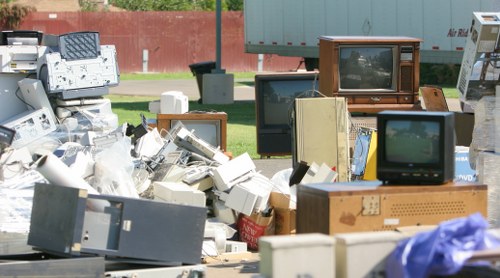
A large pile of discarded electronic waste including old CRT computer monitors, box-shaped televisions, and various audio-visual equipment scattered across an outdoor paved area with a grassy verge and a red brick wall in the background. The monitors and TVs display different screen content, with some showing images and others turned off, and the objects vary in size, color, and material, predominantly plastic and glass, with some metal components visible. Surrounding the pile are some small cardboard boxes and plastic bags, typical of waste collected for rubbish removal services, possibly in the Poplar area. The scene appears during daytime, with natural light illuminating the clutter, emphasizing the bulk and variety of waste items awaiting collection or disposal, as handled by Commercial Waste Poplar in compliance with local waste management strategies.

Proper waste removal plays a significant role in protecting the environment. By effectively managing waste, Poplar can reduce greenhouse gas emissions, prevent soil and water contamination, and conserve natural resources.

Recycling and composting initiatives help lower the demand for raw materials, decreasing the need for deforestation and mining. Additionally, reducing landfill usage minimizes methane emissions, a potent greenhouse gas contributing to climate change.

Implementing sustainable waste removal practices also promotes public health by eliminating breeding grounds for pests and reducing exposure to harmful substances.

Innovative Waste Management Solutions
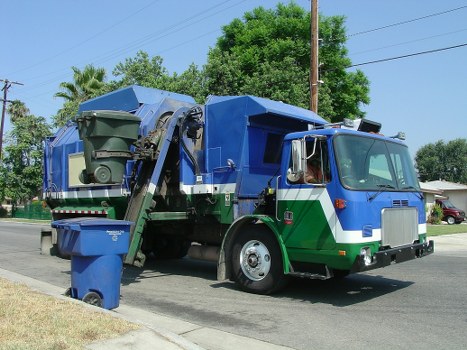
A large commercial waste collection truck with a blue and green colour scheme parked on a residential street. The truck's front cab is silver with a large windshield, and it has side mirrors extending outward. The rear section features a hydraulic lifting mechanism, which is actively engaged with a green waste bin positioned at the rear, ready for collection. The bin is made of plastic with a textured surface and is slightly tilted on its wheels. The background includes green trees, a utility pole, and a clear blue sky, suggesting a sunny day. The street appears calm, with a sidewalk and grassy verge next to the truck. This scene is typical of waste management services carried out by companies such as Commercial Waste Poplar in London, ensuring efficient rubbish removal in urban and suburban environments.

To enhance waste removal efficiency, Poplar is adopting innovative solutions and technologies. These include:

  • Smart Waste Bins: Equipped with sensors that monitor fill levels, optimizing collection schedules and routes.
  • Automated Sorting Systems: Utilizing robotics and AI to sort recyclables accurately, increasing recycling rates.
  • Waste-to-Energy Plants: Converting waste materials into usable energy, reducing reliance on fossil fuels.
  • Mobile Apps: Providing residents with real-time information on waste collection schedules, recycling guidelines, and service requests.
  • Community Recycling Programs: Engaging the community in recycling initiatives through education and incentives.

These advancements not only improve the efficiency of waste removal but also contribute to a more sustainable and resilient community.

Challenges in Waste Removal
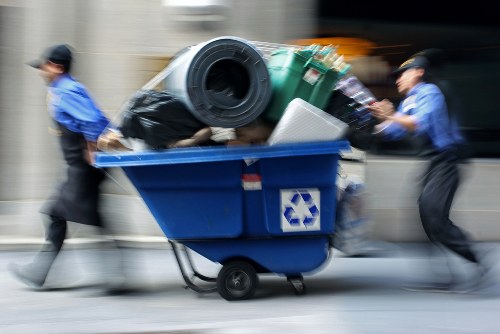
A photograph of two waste management workers in blue uniforms and black caps pushing a large blue recycling bin filled with various types of rubbish along a street or driveway. The bin contains a black garbage bag, a black rubber tire, a green plastic container, and other waste materials, all appearing to be common household or commercial waste. The background is blurred, indicating motion, with a neutral urban environment that suggests the scene takes place in a populated area such as Poplar. The workers are focused on transporting the entire bin, which is positioned centrally in the image. The setting and the visible waste materials connect naturally to rubbish removal services offered by Commercial Waste Poplar, emphasizing their role in managing waste collection at a local level.

Despite advancements, waste removal in Poplar faces several challenges:

  • Population Growth: Increasing population leads to higher waste generation, straining existing waste management systems.
  • Recycling Contamination: Improper sorting and disposal of recyclables contaminate recycling streams, reducing the efficacy of recycling programs.
  • Funding and Resources: Limited budgets and resources can hinder the implementation of effective waste management solutions.
  • Public Awareness: Lack of awareness and participation in recycling and waste reduction initiatives affects overall waste management success.
  • Regulatory Compliance: Adhering to evolving environmental regulations requires continuous adaptation and investment.

Addressing these challenges requires collaborative efforts between the government, businesses, and residents to develop sustainable waste management strategies.

Future of Waste Removal in Poplar

A group of three individuals wearing bright green T-shirts with white recycling symbols printed on the front, standing shoulder to shoulder against a plain white background. The person in the center is a woman with dark hair styled in loose waves, smiling directly at the camera with her arms crossed. To her left is a woman with straight black hair, also smiling, with her arms crossed, and to her right is a man with a beard and short dark hair, smiling as well, with his arms crossed. The image projects a sense of teamwork and environmental awareness, aligning with rubbish and waste management services offered by companies like Commercial Waste Poplar. The plain background ensures full focus on the individuals and their message of sustainability, which subtly complements local waste management efforts in the Poplar area.

The future of waste removal in Poplar is geared towards sustainability and innovation. Plans include expanding recycling programs, investing in waste-to-energy technologies, and enhancing community engagement.

By embracing circular economy principles, Poplar aims to reduce waste generation, promote reuse and recycling, and create a closed-loop system where materials are continuously repurposed.

Educational programs and incentives will play a vital role in fostering a culture of responsibility and participation among residents and businesses, ensuring long-term success in waste management.

Conclusion
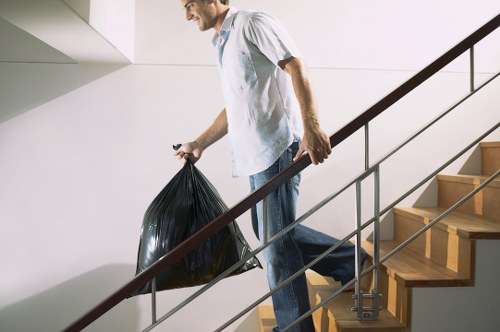
A man wearing a light grey shirt and dark trousers is walking down a staircase indoors, holding a large black rubbish bag in his right hand. The staircase has wooden steps with a smooth, polished finish and a metal handrail on the right side. The background features a plain, white wall and a ceiling with a modern, minimalist design. The environment appears to be a residential or commercial building corridor, with natural lighting illuminating the scene. The man’s facial expression is neutral as he descends the stairs, aligning with typical rubbish removal tasks that a waste management service like Commercial Waste Poplar might assist with in the Poplar postal district. This image visually exemplifies the process of waste collection within a building setting, emphasizing careful handling of refuse in an indoor context connected to professional rubbish removal services in London’s East End.

Effective waste removal in Poplar is essential for maintaining a clean, safe, and sustainable environment. By understanding the types of waste, utilizing comprehensive removal services, and adopting innovative solutions, Poplar can overcome challenges and achieve its waste management goals.

Community participation and continuous improvement are key to ensuring that waste removal practices contribute to the overall well-being of Poplar's residents and the environment.

Contact us today to learn more about our waste removal services and how we can help keep Poplar clean and green.

Commercial Waste Poplar

A comprehensive guide on waste removal in Poplar, covering types of waste, services, environmental impact, innovative solutions, challenges, and future strategies for sustainable waste management.

Book Your Waste Collection

Get In Touch With Us.

Please fill out the form below to send us an email and we will get back to you as soon as possible.