Commercial Waste Poplar: Recycling and Sustainability
 Commercial Waste Poplar is committed to building an eco-friendly waste disposal area across the borough. Our approach balances practical trade waste services with a clear sustainability pathway that supports local businesses and the wider community. We prioritise reuse, segregation at source, and end-of-life recycling to reduce landfill and improve circular economy outcomes in Poplar and adjacent neighbourhoods.
Our operational plan for Poplar commercial waste includes a clear recycling percentage target: a 70% recycling rate for all commercial streams by 2030. This target is both ambitious and measurable, reflecting the need for rapid improvement in trade waste recycling while aligning with broader municipal and regional climate commitments. The target is backed by monitoring, reporting, and incremental milestones to make progress visible.
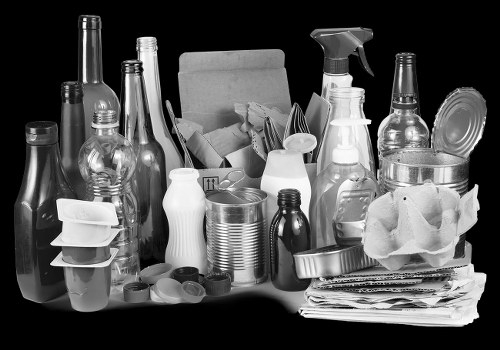
 We work within the boroughs' approach to waste separation, encouraging businesses to adopt the same segregation standards as household collections where practicable: separate paper and card, glass, mixed plastics, metal, and an organic / food waste stream. By integrating with the borough's rules on trade waste separation, we help minimise contamination and ensure materials reach appropriate recycling facilities rather than being classed as general refuse.
To support the sustainable rubbish area vision, our fleet strategy emphasises low-emission solutions. We deploy a mix of battery-electric vans, plug-in hybrid collection vehicles and low-NOx units to serve the Poplar commercial area. These low-carbon vans reduce local air pollution and CO2 emissions, making the streets around business districts quieter and cleaner while maintaining efficient collection frequency for trade waste and recycling.
Our services include tailored waste separation advice, containerised recycling systems for small and medium enterprises, and scheduled pickups that align with business needs. We recommend practical steps such as compaction for cardboard, on-site segregation bays, and segregated food waste containers to ensure tonnage destined for recycling is maximised and contamination reduced.
 Sustainability is not just about collection: it is about destination. We prioritise licensed local transfer stations and material recovery facilities (MRFs) that can process separated commercial streams. This reduces haul distances and transport emissions while increasing the yield of recyclable material returned into the manufacturing cycle.
Partnerships with charities and reuse organisations form a core part of our strategy for waste reduction. We work with local and national not-for-profit groups to divert good-quality furniture, textiles and surplus stock from the waste stream into reuse channels. Charity partnerships help prolong the life of commercial goods and support local social enterprise and community benefit.
Examples of typical collaboration include donation routes for unsold retail items, redistribution of food surplus to hunger-relief networks, and working with salvage charities to collect items from office clearances. These partnerships are structured so that materials unsuitable for reuse are assessed and, where possible, sent to specialist recyclers.
Local Transfer Stations and Recycling Hubs
- Beckton and East London transfer hubs and nearby borough facilities for short-haul consolidation
- Material Recovery Facilities (MRFs) that accept separated commercial glass, paper, plastics and metals
- Specialist sites for electronic waste, construction & demolition waste and bulky items
We recognise the local regulatory context: borough authorities often mandate specific separation standards and licensing for trade waste collections. Our team stays abreast of borough policies affecting commercial waste in Poplar and offers compliance support to businesses to meet those rules without compromising operational needs. This includes help with trade waste permits, signage for recycling bins and training for staff on correct separation.
Beyond compliance, we champion a sustainable rubbish area concept where waste streams are minimised through circular supply chain practices. Suppliers are encouraged to use reusable transit packaging, take-back schemes for pallets and crates, and refill systems for cleaning chemicals, all of which reduce single-use disposables in the Poplar commercial landscape.
How we measure success
Success metrics include: % recycling rate (commercial), tonnage diverted to reuse charities, reduction in landfill-bound waste, and fleet emissions per tonne collected. Regular reporting and transparent audits ensure the recycling percentage target is tracked and corrective actions are implemented where needed. Operationally, our sustainability roadmap covers short- and long-term measures: quick wins such as improved bin signage and segregation training, mid-term upgrades like dedicated food-waste collections for hospitality businesses, and long-term investments in a zero-emission vehicle fleet and local processing capacity to meet the 70% recycling ambition.
We encourage businesses to participate in shared recycling schemes, consolidate deliveries to reduce vehicle movements, and adopt procurement policies that prefer materials with recycled content. Collaboration between commercial waste providers, local authorities and charities makes the eco-friendly waste disposal area vision achievable and beneficial to the wider Poplar community.
 Our commitment to Poplar commercial waste and sustainable waste management is practical and measurable: set targets, local transfer station optimisation, charity partnerships for reuse and a low-carbon van fleet. Together these elements create a resilient, circular approach to trade waste, fostering an environmentally responsible commercial district and an effective sustainable rubbish area for businesses and residents alike.
