Complaints Procedure — Commercial Waste Poplar Services
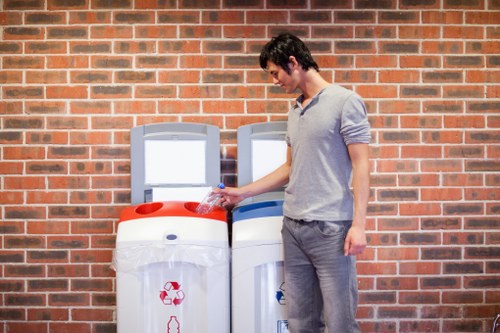 Purpose and scope: This Complaints Procedure sets out how complaints relating to commercial waste services in Poplar and the surrounding service area are handled. It applies to all issues arising from commercial rubbish collection, temporary skips, recycling contracts and other business waste arrangements. Our aim is to provide a clear, fair and timely process for resolving concerns while protecting operational integrity and regulatory compliance. This procedure covers complaints from tenants, business customers, contractors and authorised representatives acting on behalf of businesses.
The definition of a complaint for commercial refuse services is any expression of dissatisfaction about service delivery, safety, billing, environmental handling, missed collections or contract performance. Examples include missed pickups, contamination handling, vehicle incidents, incorrect invoicing or failure to follow agreed collection schedules. Where practical complaints should include dates, service references and a description of the issue. All reports will be treated seriously and investigated impartially.
 All complaints will be acknowledged and recorded in the complaints register. An initial acknowledgement will be issued within a defined timeframe and will outline the next steps. Customers and authorised representatives are asked to provide relevant evidence where available, such as photographs, service notes, vehicle IDs or invoices. Information will be logged in a manner that preserves the integrity of records for audit and monitoring.
How to raise a concern
The process is designed to be accessible and proportionate to the nature of the complaint. Complaints can be raised by the account holder or an authorised agent. We do not publish contact details in this policy, but complaints should be submitted by the channels provided at the point of service or in contractual documentation. When raising a complaint, include: account or site reference, date/time of incident, description of the event and any supporting evidence. This helps ensure a prompt and accurate investigation.
 Investigation steps: Once a complaint is received it will be allocated to a complaints handler who is independent of the operational team involved where possible. The handler will: collect relevant records, interview staff or contractors, review vehicle and route data, and assess compliance with contract terms and environmental obligations. Investigations may include site visits and liaison with third parties. Confidential information will be handled in line with data protection principles and only shared with those necessary for the investigation.
The expected timescales for investigation and response will be proportionate to the complaint complexity. Simple matters will normally be resolved within a short period, while more complex issues that require detailed enquiries may take longer. Progress updates will be provided at reasonable intervals until a conclusion is reached. Customers will be informed of any anticipated delays and the reasons for them.
Resolution, remedies and escalation
Resolution aims to be practical and fair. Where a complaint is upheld, remedies may include corrective action such as arranging remedial collections, amending records, implementing procedural changes, offering credits or other appropriate redress consistent with contractual terms. Remedies are not an admission of legal liability, but are intended to restore service standards and prevent reoccurrence.
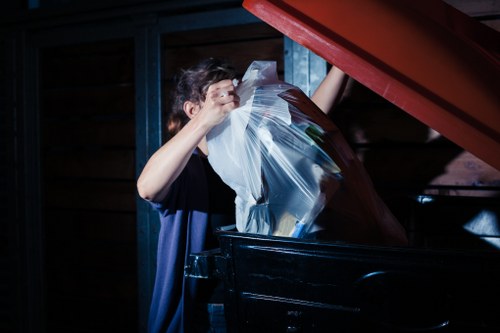 If the complainant is not satisfied with the initial outcome, the complaint may be escalated to a senior review stage. The escalation will involve a senior manager who has not been involved in earlier stages and who will re-assess the evidence and outcomes. The review will consider whether the original investigation was thorough, whether policies were applied correctly and whether the remedy offered is appropriate. The escalation process includes a clear timescale for concluding the senior review and communicating the decision.
 Independent review and external options: Where a complaint remains unresolved after all internal stages, complainants may be advised of options for independent review by a relevant oversight body appropriate to commercial waste or contract disputes. This policy does not substitute for statutory or contractual rights to pursue other remedies. Records of investigations and outcomes will be retained in accordance with record-keeping obligations and used for service improvement and compliance monitoring.
Recording and continuous improvement: All complaints, findings and remedial actions will be recorded in the complaints register and used to identify trends, training needs and system changes. Regular audits of complaints handling will be undertaken to ensure fairness, timeliness and transparency. Staff involved in commercial waste services will receive training on complaint handling and customer care, and lessons learned will inform operational and contractual improvements.
Confidentiality and conduct: The complaints procedure respects confidentiality for all parties. Complainants are expected to act in good faith and to provide honest information. Frivolous or malicious complaints may be handled differently and may result in limited engagement or closure after review. Correspondence and investigative materials will be kept secure and only used for the purpose of resolving the complaint and meeting regulatory obligations.
Monitoring and reporting: Senior management will receive periodic reports summarising complaint themes, response times, outcomes and remedial measures taken. These reports inform policy reviews and contractual performance discussions with service providers. Our goal is to continuously improve commercial waste handling standards across the service area and to ensure customers receive a reliable, compliant and professional service.
